Opening from 10th September to 3rd October 2026, Select/26 showcases the exceptional work of Maura Jamieson, Deepthi Muralibabu, Naomi Woddis and Maxwell Anderson. This exhibition provides a platform for projects that explore significant themes such as environmental legacies, familial memory, the tenderness of eldercare, and community displacement, presented through deeply personal projects.
The photographers featured in Select/26 were selected from Salon/25, Photofusion’s annual members’ show, which celebrates the creativity and diversity of its community.
With over 80 members exhibiting a single image each, the Salon/25 judges - Josh Lustig, Holly-Marie Cato, Linsey Young and Ryan Prince - chose these four artists to present a larger body of work, offering an opportunity to delve deeper into their themes and artistic vision.
The Projects
Maura Jamieson | The Understory II
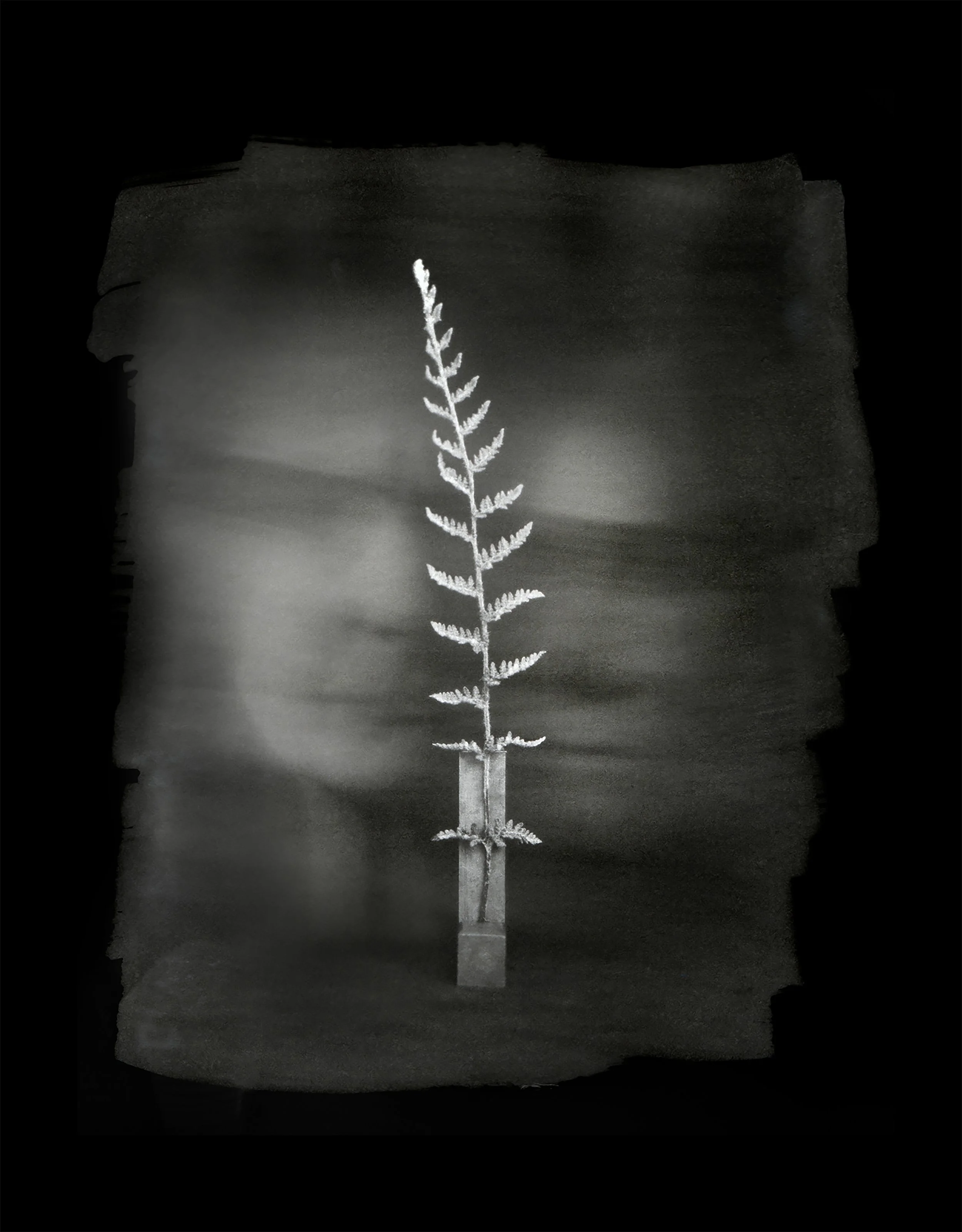
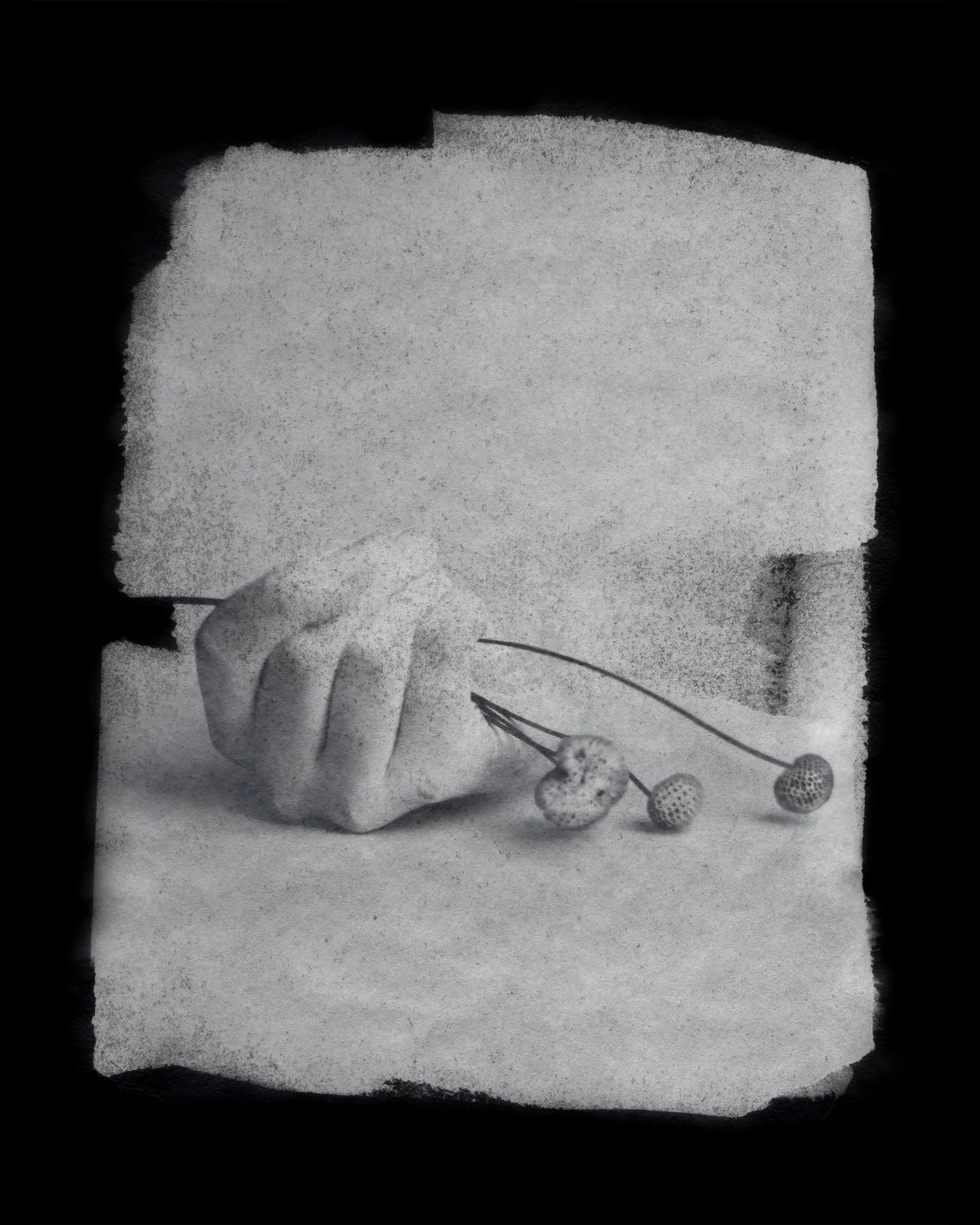
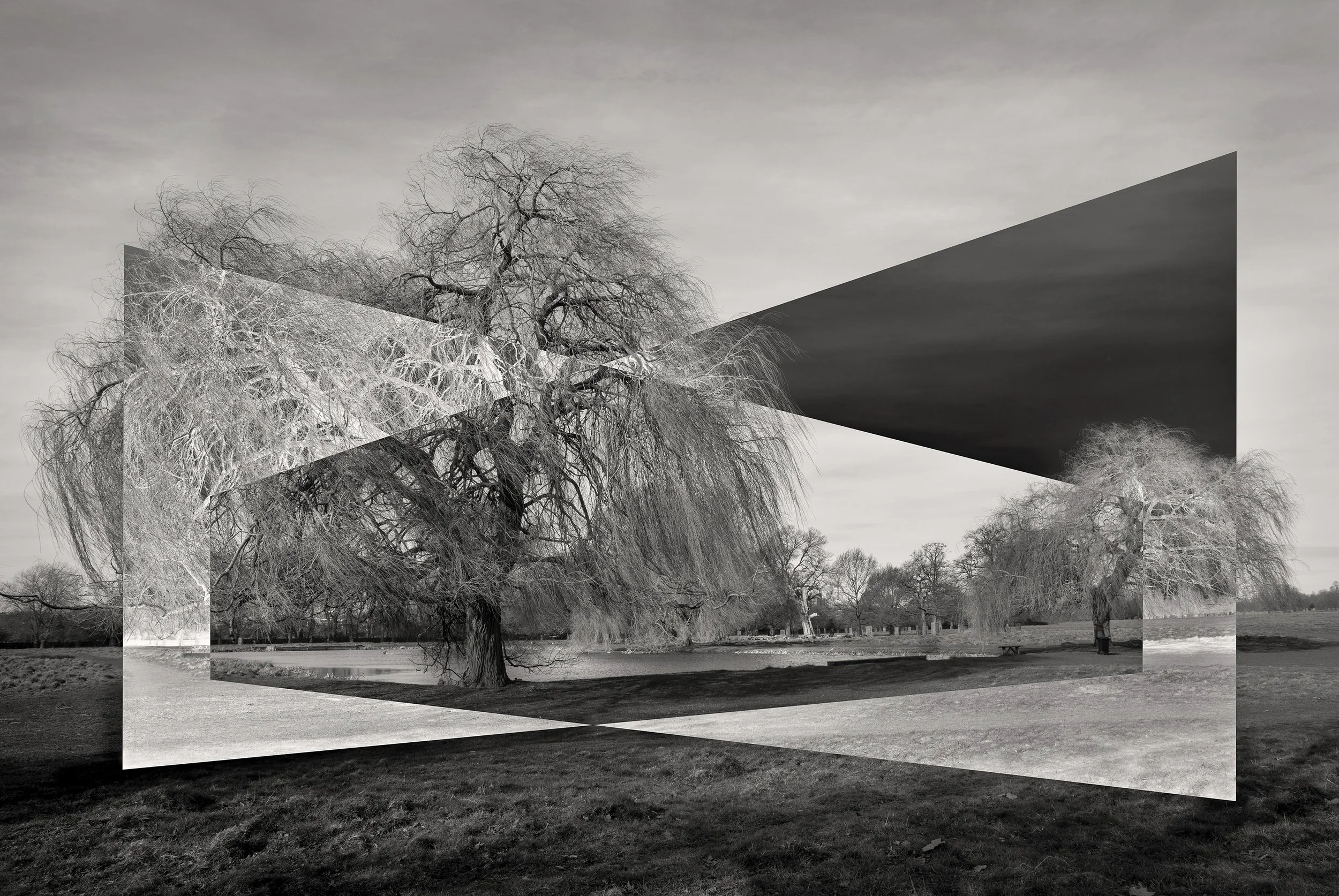
The Understory II is a multidisciplinary project spanning portraiture, landscape, and still life. It explores relationships between people and the natural world, acknowledging the historical legacies that shape environments. Central to the work is an acknowledgement of horticulture's past alongside a vision for a more inclusive future.
The project reflects on botany’s links to colonial histories, in which plants were extracted, renamed, and repurposed within systems of power that often erased Indigenous knowledge. Hampton Court’s royal parkland, particularly the Long Water, serves as a key site, embodying imperial symbolism while offering space to question inherited narratives.
Still-life images reference Dutch painting traditions associated with colonial wealth, disrupted through uneven brushstrokes that challenge ideas of precision and authority. Portraits address the underrepresentation of race and gender in horticulture, presenting women as diverse, active participants in environmental justice.
Overall, the work navigates past and present, treating history as something open to reflection and change.
Instagram: @maurajamieson
https://maurajphotography.com/
Deepthi Muralibabu | What We Carry Back
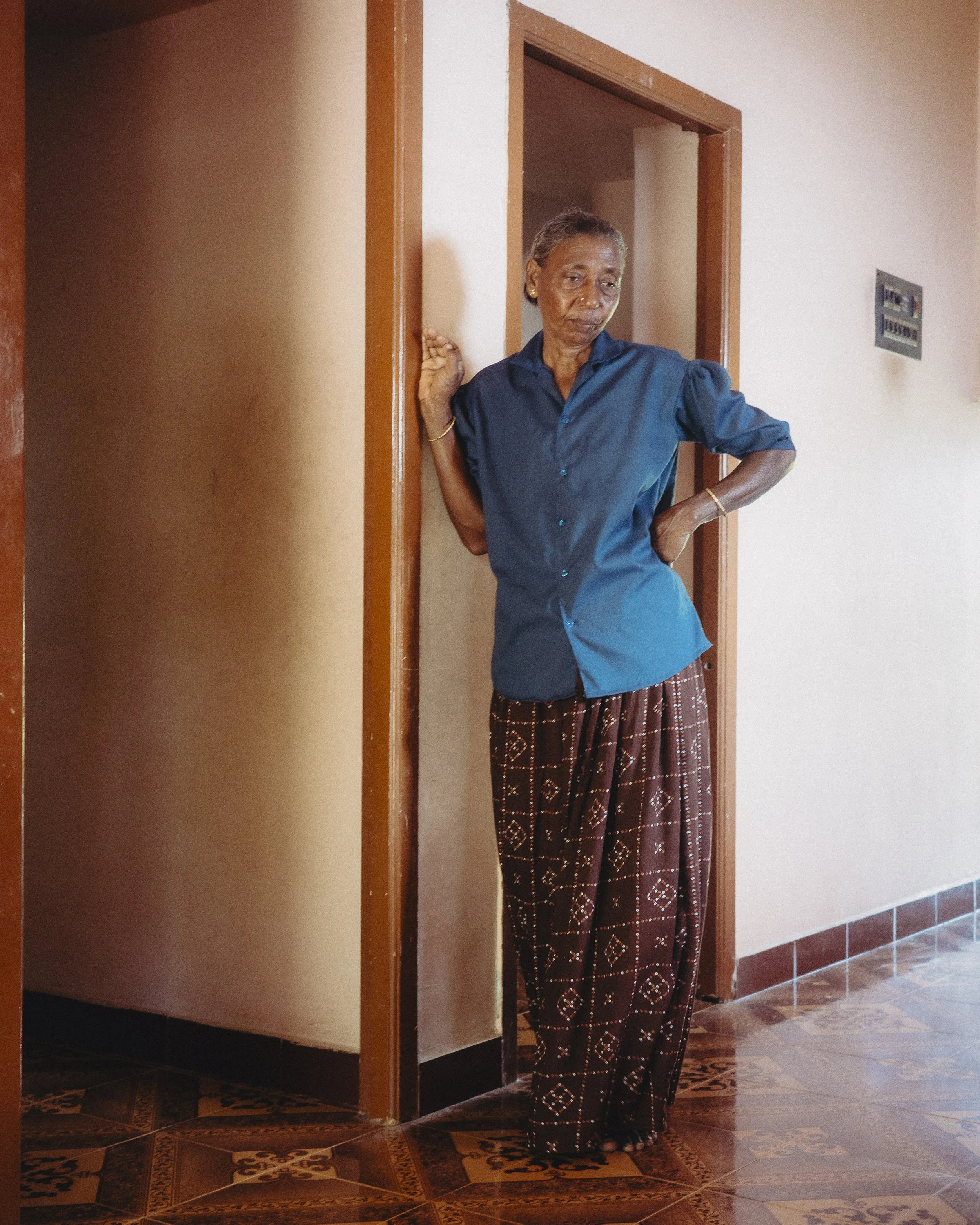
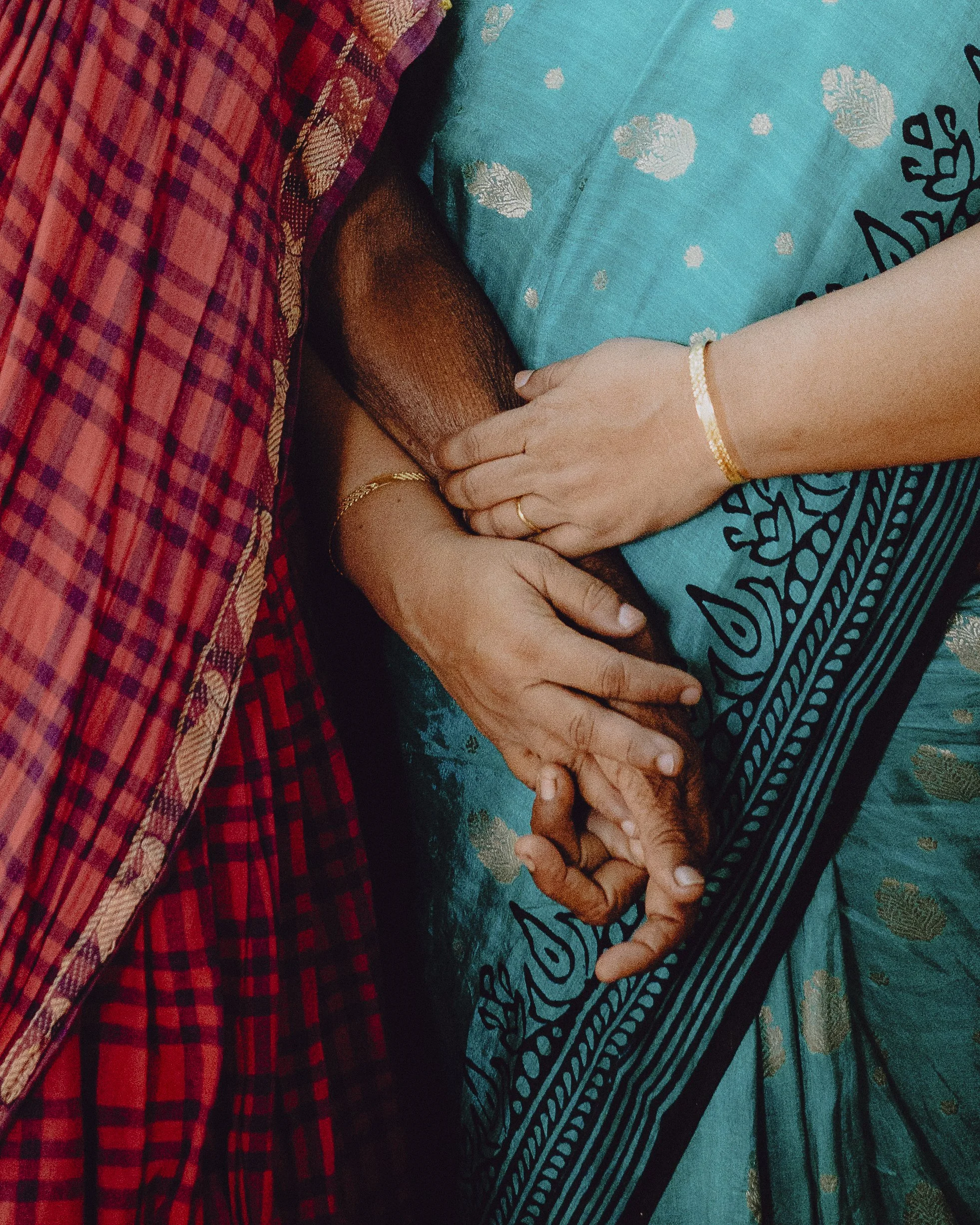
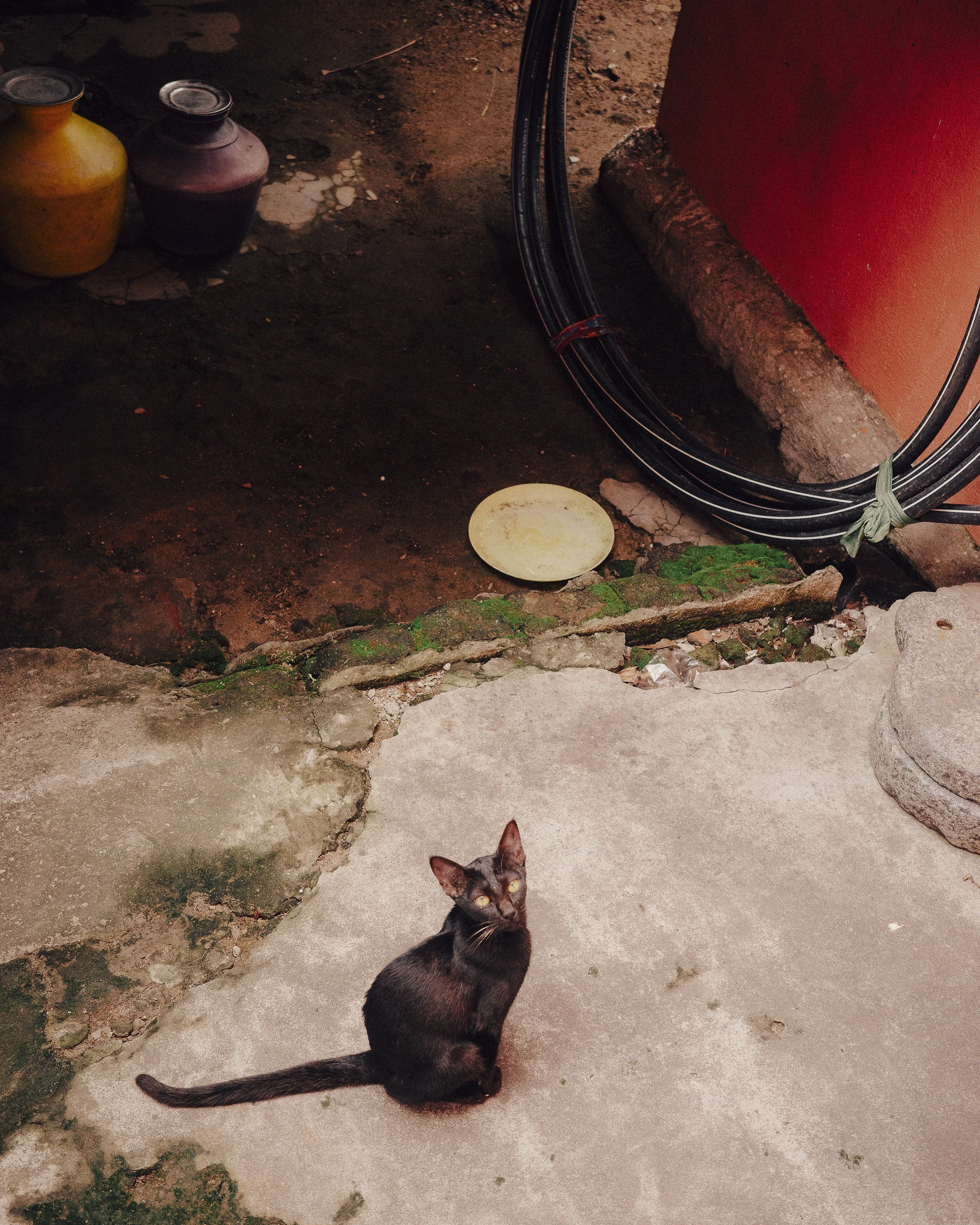
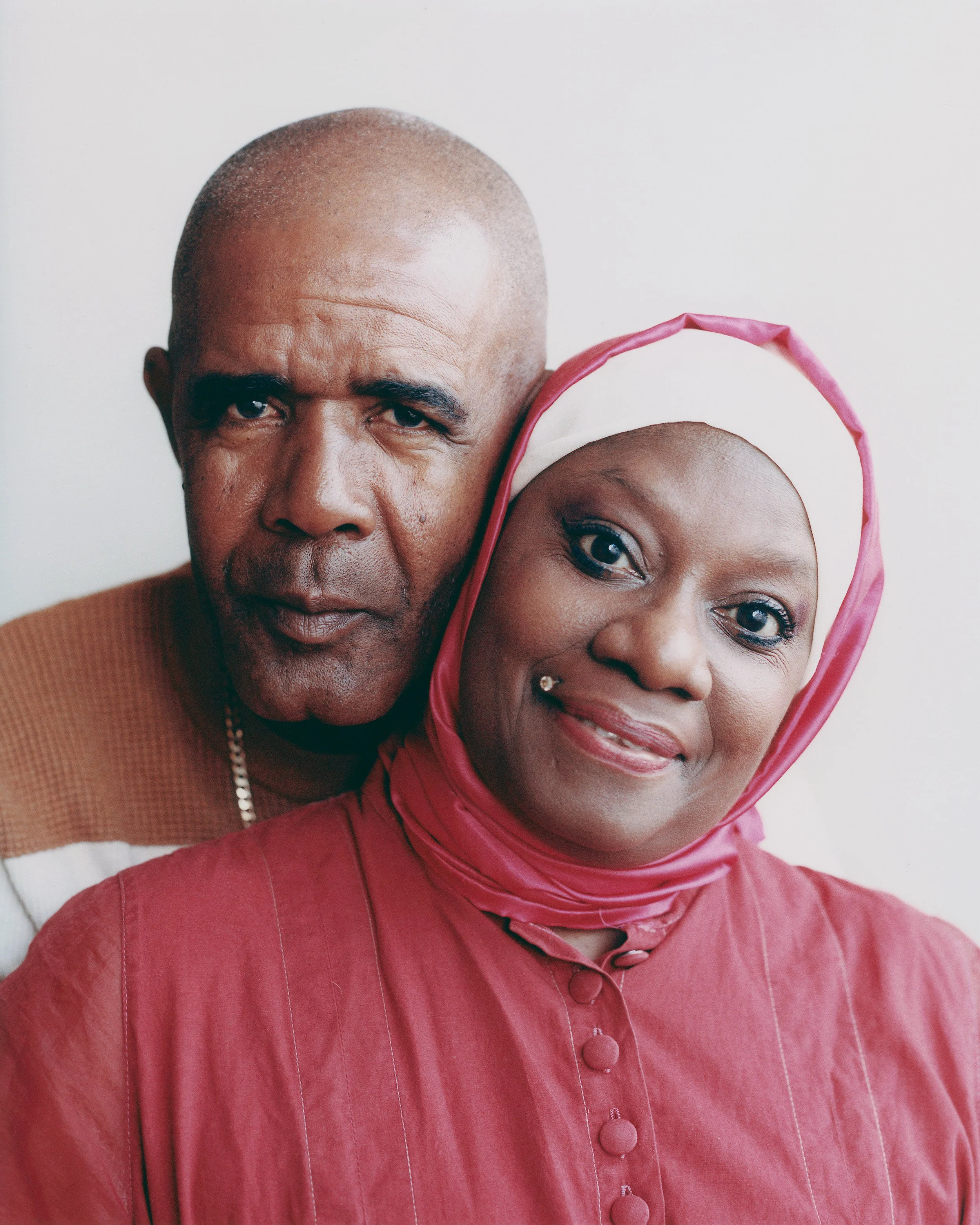
What We Carry Back began as a way of looking. Over time, it became a way of remembering, of understanding how memory shapes identity, and how belonging is carried across generations. Each year, the artist's grandmother and her daughters return to their ancestral village in Tamil Nadu for her grandfather’s death anniversary. Over time, the gathering has become a way of returning to one another.
The house carries traces of their lives and return. Within it, memories overlap across generations through gestures, conversations, and time spent together.
The work considers how identity is shaped not only by what we inherit, but by what we choose to hold onto. What they carry back are fragments of solidarity, unfinished conversations, and memories of who they are with one another.
A kulam is a pond: a body of water that gathers sediment, reflection, and movement beneath a still surface.
Instagram: @deepthimuralibabu
https://deepthimuralibabu.co.uk/
Naomi Woddis | Drifting
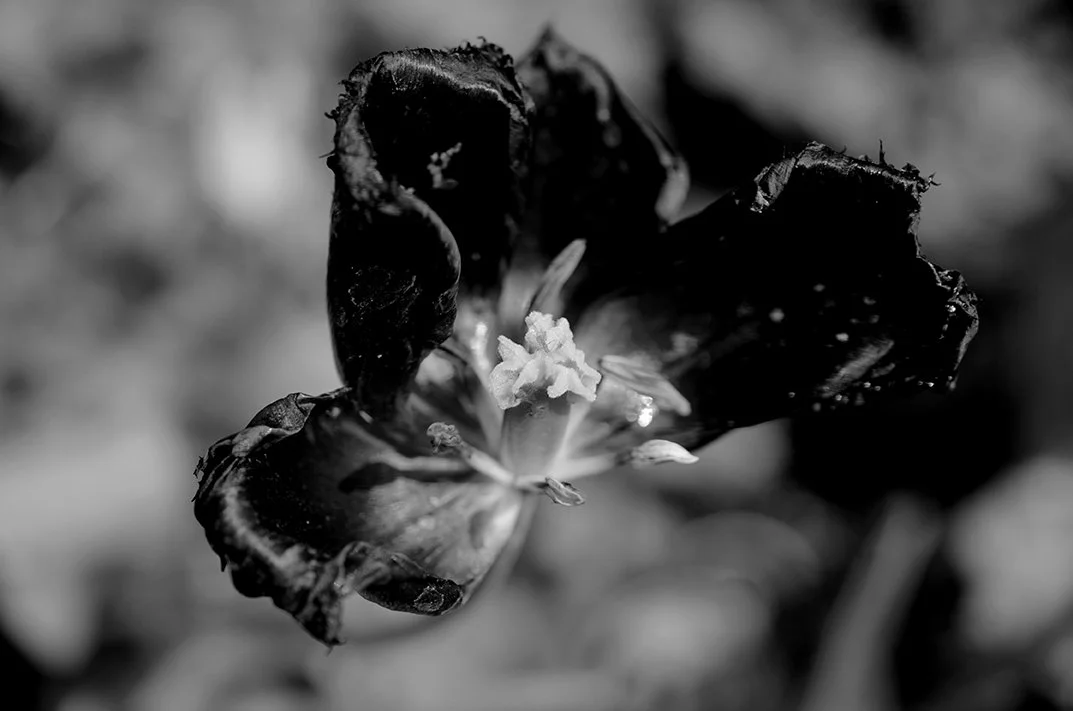
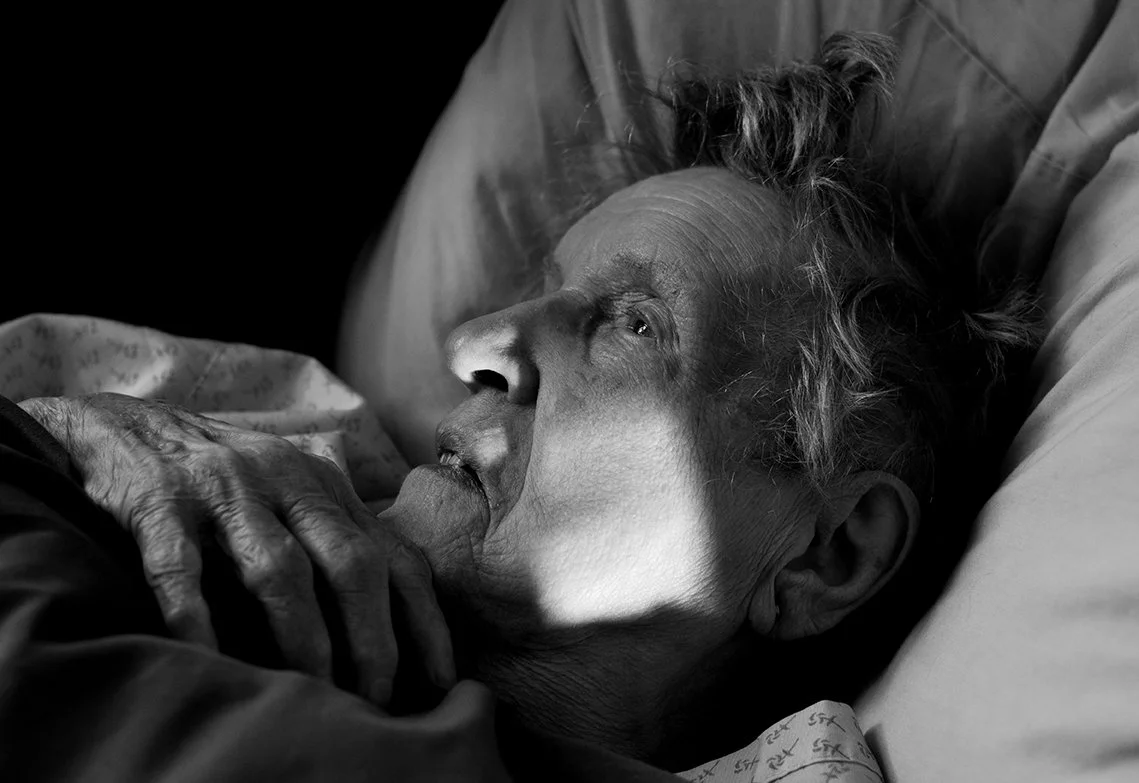
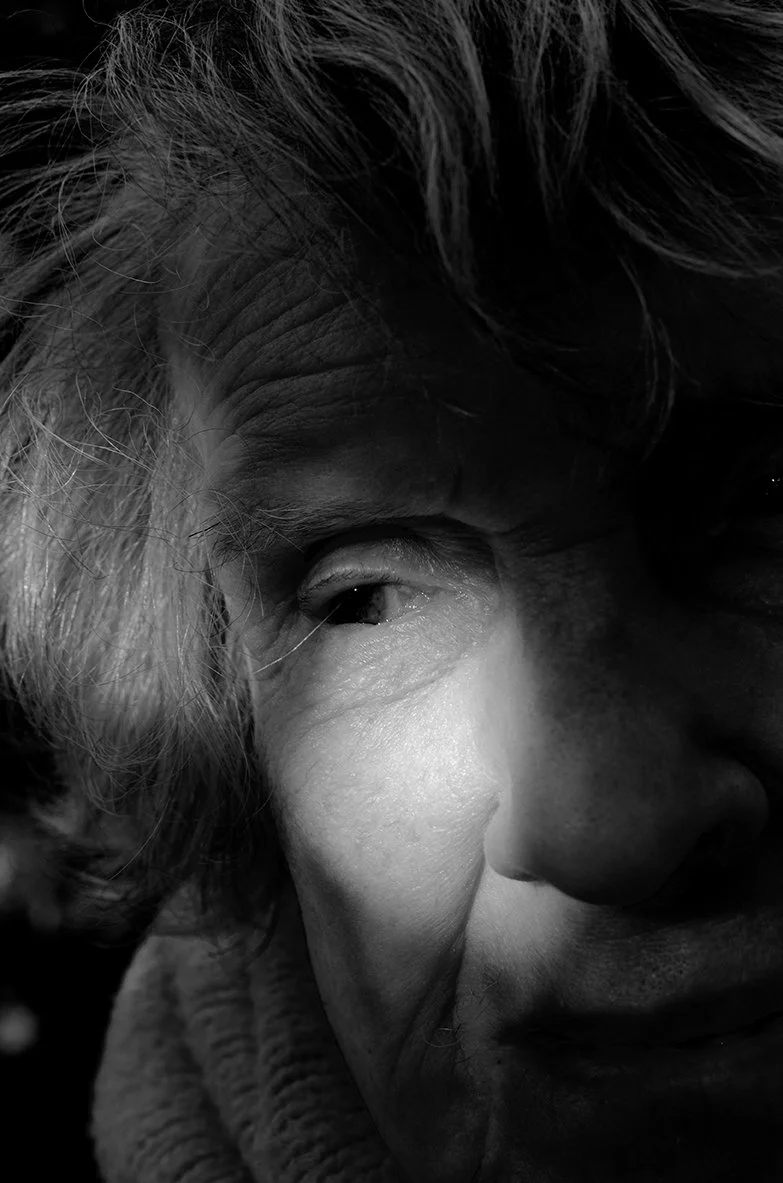
Drifting is a long-form photographic project made while caring for the artist's mother, now in her late nineties. The work reflects on ageing, memory and the shifting boundaries of selfhood in later life. Alongside intimate portraits that observe quiet moments of solitude, tenderness and withdrawal, seasonal studies of the garden trace the passing of time and the changing world beyond the confines of the home. Emerging from the trust and familiarity of her relationship with her as both daughter and carer, this exhibition is co-curated with her mother.
Maxwell Anderson | Lee Green Lives
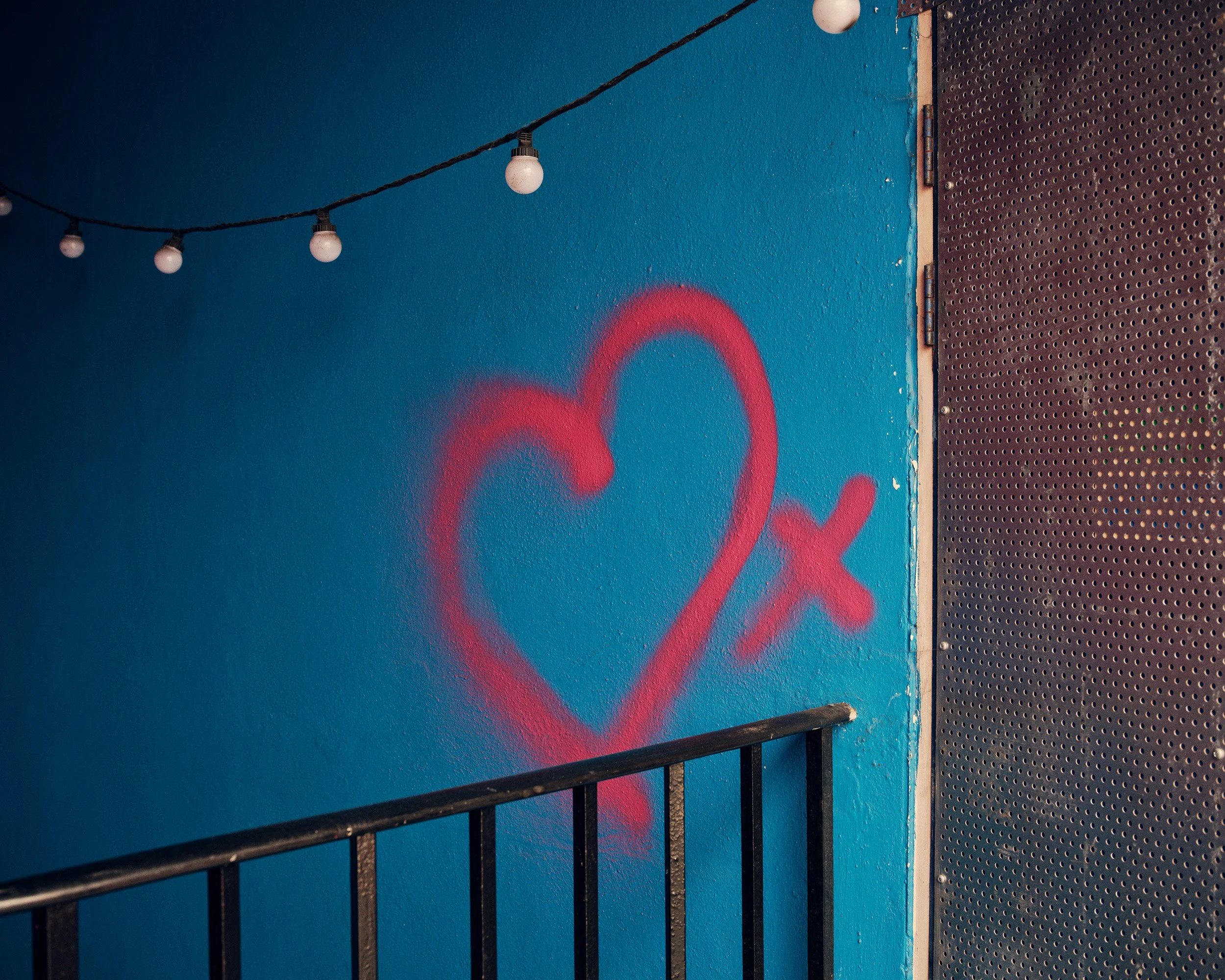
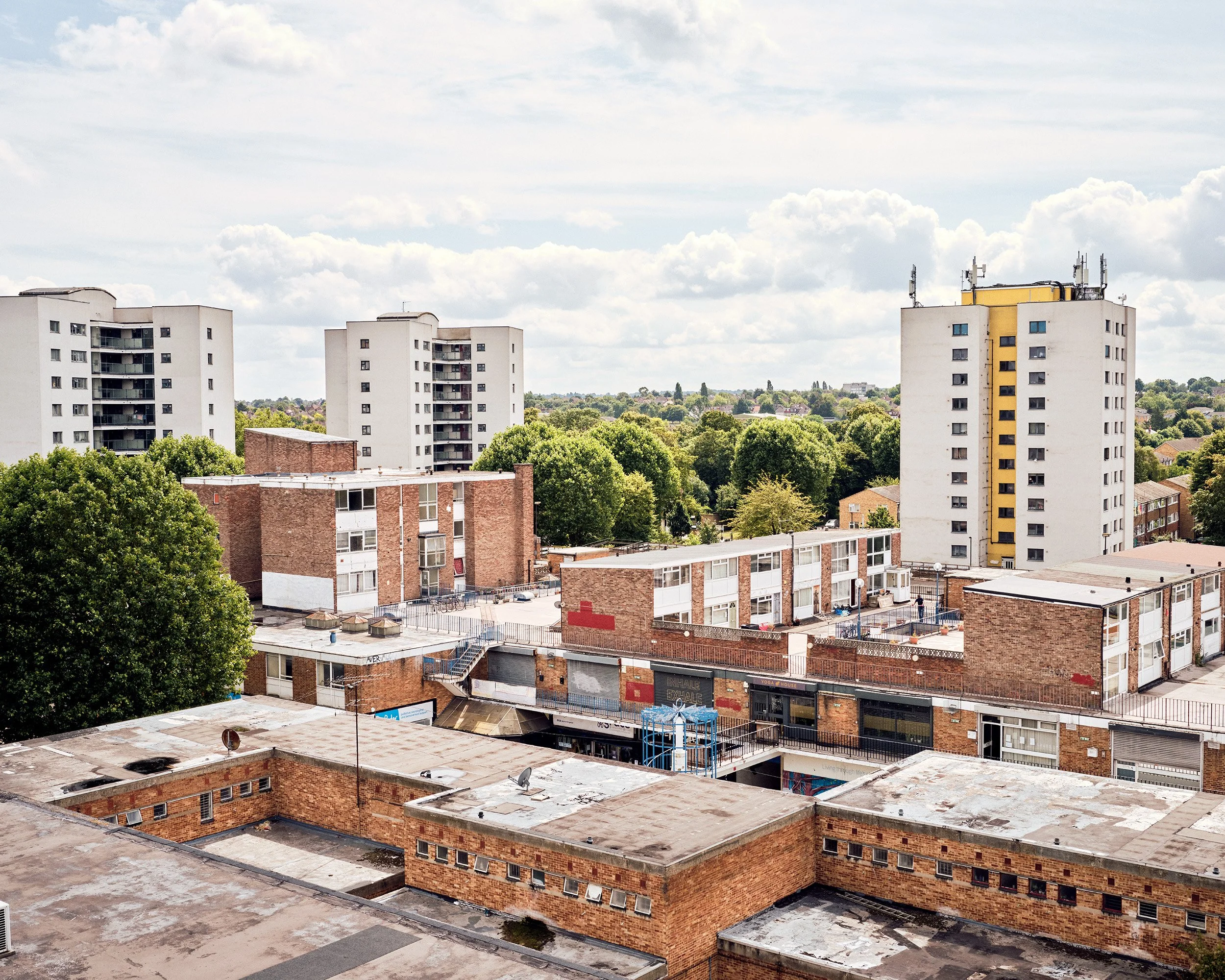
Situated by a busy junction on the A20 in south-east London, Leegate Shopping Centre dominated 1.92 hectares of land and was described as the worst shopping district in Britain. Since around 2010, the centre had been left in disrepair and mostly vacated. The foreboding threat of demolition hung over Leegate for over a decade, during which time a community of independent businesses, artists, and charities took advantage of cheap rent and kept the Centre’s heartbeat going.
In its last two years of life, Maxwell Anderson documented the area and community until its complete closure, in preparation for eventual demolition in 2026. His work addresses sociological ideas of the ‘third space’, focusing on the people affected by urban development and the space as a relational experience.
Instagram: @maxwelljakeanderson